


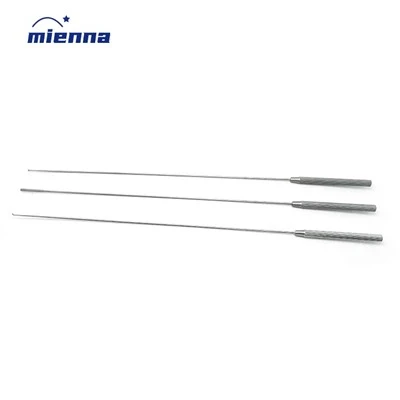
Sinuscope, or nasal endoscope, is a type of endoscope, specially designed for endoscopic observation during diagnosis, treatment and surgery of the nasal cavity. In order to fully understand the characteristics of nasal endoscopes, we can compare them with other types of endoscopes.
First, from the perspective of application, nasal endoscopes are mainly used for the examination and treatment of the nasal cavity and its related structures, while other endoscopes such as gastroscopes, cystoscopes, bronchoscopes, etc. are used for the examination and treatment of different parts such as the stomach, bladder, and bronchi. This specificity makes nasal endoscopes more accurate and efficient in the diagnosis and treatment of nasal diseases.
Secondly, from the perspective of structure and technology, nasal endoscopes usually consist of a nasal endoscope and a handle, and may be equipped with a light source and an image capture system to clearly observe the internal conditions of the nasal cavity. With the development of technology, modern nasal endoscopes may also integrate advanced optical fibers and electronic technologies, providing clearer images and a wider range of functions. Other endoscopes may also have similar structural and technical characteristics, but will be optimized according to their specific application areas.
In terms of function, in addition to observation, nasal endoscopes may also have therapeutic functions, such as treating nasal diseases through endoscopic surgical operations. Similarly, other endoscopes may have single or multiple functions according to their design, such as observation, lighting, surgery, flushing, suction, etc.
In addition, it is worth noting that with the continuous advancement of medical technology, endoscopic technology is also developing. For example, laser technology, ultrasonic technology, fiber optic technology, etc. are widely used in endoscopes, which improve the diagnostic and therapeutic capabilities of endoscopes. The application of these technologies in nasal endoscopes and other endoscopes may be different, but they are all to better meet clinical needs.
In summary, Sinuscope (nasal endoscope) and other endoscopes have certain differences in application areas, structure, technology, functions, etc. Each endoscope has its own unique characteristics and advantages. Doctors will choose the appropriate endoscope for examination and treatment according to the specific situation and clinical needs of the patient. Therefore, when selecting and using an endoscope, it is necessary to fully consider factors such as its scope of application, technical characteristics and safety.


