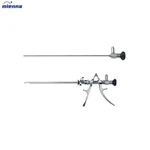
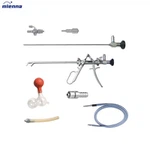
Sinuscope

Hangzhou Mienna Business Services Co., Ltd.: Your Professional Sinuscope Supplier!

Hangzhou Mienna Business Services Co., Ltd. is a large-scale enterprise specializing in the production and sales of medical products. More than ten years of production and sales have made us a leading comprehensive enterprise with strong R&D strength in the fields of medicine. Our main products include otolaryngology, orthopedics, urology, abdominal surgery, gynecology, disposable related equipment, sports and fitness equipment, etc.

Wide Range of Products

Our main products include orthopedics instruments, otolaryngology instruments, urology instruments, laparoscopy instruments and gynecology instruments. Our products are widely used in the field of medicine.


Leading Service

We have many years of industry experience and a complete production management, quality supervision and sales service operation system. If you want to buy medical products, just send your needs by email and we can respond to you as soon as possible.

Professional Team

As an enterprise that has been tempered for many years, we combine technology and technology to continuously innovate, so that each product is rigorously tested and quality checked.

Complete Qualifications

We have passed ISO quality system certification and CE certification of TUV Rheinland, FDA registration and as well as BSCI audit.


Brief Introduction to Sinuscope


Sinuscope is a medical device, a type of endoscope. It uses optical principles to enter the sinus area through the nasal cavity, allowing doctors to visually observe the lesions inside the sinuses. It is mainly used for diagnosis and treatment in sinus surgery, including the diagnosis and treatment of sinusitis, sinus cysts, sinus tumors and other diseases. Through the sinuscope, doctors can clearly see the lesions in the sinuses, so as to formulate a more accurate treatment plan.


Features of Sinuscope
 

Minimally Invasive
The sinuscope enters the sinus area through the natural opening of the nasal cavity, eliminating the need for traditional open surgical incisions, thereby reducing surgical trauma and bleeding. This minimally invasive nature not only reduces the patient's pain, but also shortens the postoperative recovery time and reduces the risk of complications.


High-Definition Field Of View
The sinuscope uses advanced optical technology and image processing systems to provide clear, delicate, high-resolution images, allowing doctors to more accurately observe the lesions in the sinuses. This high-definition field of view helps doctors detect tiny lesions and develop more precise treatment plans.


Ultra-Wide Viewing Angle
Some sinuscopes have an ultra-wide viewing angle, such as 110 degrees or more, which allows doctors to more comprehensively observe the structure and range of lesions in the sinuses. The ultra-wide viewing angle helps reduce surgical blind spots and improve the safety and effectiveness of surgery.


Precision Treatment
Under the guidance of the sinuscope, doctors can perform more precise surgical operations. They can directly resect or repair lesions while reducing damage to surrounding normal tissues. This precision treatment helps reduce surgical risks and improve treatment outcomes.


Reduce Complications
Since endoscopic sinus surgery is minimally invasive and precise, it can significantly reduce the occurrence of surgical complications. For example, compared with traditional surgery, endoscopic sinus surgery can reduce the risk of complications such as postoperative infection, bleeding, and adhesion.


Types of Sinuscope

Rigid Sinuscope

Rigid sinuscopes are usually made of stainless steel or titanium alloy, with fixed shapes and angles, and are not easily deformed. It usually has a thinner diameter (such as 4mm) and can be used to observe and operate deep inside the nasal cavity and sinuses. Rigid sinuscopes are widely used in the diagnosis and treatment of diseases such as sinusitis and nasal polyps, as well as navigation and assistance in nasal surgery.

Flexible Sinuscope

Unlike rigid sinuscopes, flexible sinuscopes have a bendable head that can more easily adapt to the complex structure of the nasal cavity and reach deeper parts. It is usually made of optical fiber or other soft materials. Flexible sinuscopes are more suitable when more flexible operation or in-depth observation of the deep nasal cavity is required, such as some complex sinus surgeries.

Video Sinuscope

This sinuscope combines camera technology and image processing technology to transmit images of the inside of the nasal cavity to a display screen in real time for doctors to observe and diagnose. Video sinuscope plays an important role in otolaryngology teaching and telemedicine, and also improves the accuracy and safety of surgical operations.


How To Choose Sinuscope?

Clinical Application Requirements
First, it is necessary to clarify what types of surgeries the sinuscope will be used for, such as routine sinus surgery, complex rhinology surgery, etc., because different surgeries have different requirements for the accuracy, angle and field of view of the sinuscope. In addition, the patient’s age, severity of the disease and special needs need to be considered. For example, children may need a smaller diameter sinuscope to reduce trauma.


Image Quality
Secondly, resolution, color reproduction, contrast, etc. need to be considered. High-quality images help doctors judge the condition more accurately.


Field Of View Angle
Sinuscopes with different angles (such as 0 degrees, 30 degrees, 70 degrees, etc.) are suitable for different surgical sites and scenes. The appropriate angle should be selected according to surgical needs.


Working Channel Diameter
Sinuscopes with smaller diameters can reduce trauma, but may affect the passability of the instrument and the flexibility of operation, which needs to be weighed according to surgical needs.


Lighting System
A good lighting system is the key to ensuring a clear surgical field of view. A sinuscope with moderate brightness and uniform light distribution should be selected.


Material And Durability
The material of the sinuscope should have good corrosion resistance and wear resistance to ensure stability and reliability under long-term use.


Cleaning And Disinfection
You also need to consider whether the sinuscope is easy to clean and disinfect to meet the requirements of hospital infection control.


Maintenance Cost
You need to consider the cost of repairs, the cost of replacing parts, etc. You should choose a sinuscope with lower maintenance costs to reduce long-term operating costs.


Rigid Ent Endoscope 0 Degree Sinuscope


How To Maintain Sinuscope?

Daily Cleaning
After each use, the sinuscope should be cleaned immediately to prevent blood, mucus or other contaminants from remaining. Cleaning should be done with medical-grade disinfectants or cleaning agents recommended by the manufacturer to ensure thorough removal of contaminants and kill potential pathogens. During cleaning, the sinuscope should be handled gently to avoid damaging its delicate optical components and lenses.


Disinfection And Sterilization

For sinuscope that can withstand high temperatures and pressures, you should regularly sterilize them by high temperatures and pressures to kill all microorganisms, including bacteria and viruses. For sinuscopes that are not resistant to high temperatures and pressures, you can use chemical disinfectants for disinfection. However, it should be noted that the choice of disinfectant should follow the manufacturer's recommendations and ensure that the disinfectant does not damage the material or optical properties of the endoscope. Regardless of the disinfection or sterilization method used, sterilization validation should be performed to ensure that the endoscope is sterile before use.


Storage And Maintenance
After cleaning and disinfection, the sinuscope should be stored in a dry, ventilated, dust-free environment to prevent mold growth and dust contamination. During storage and transportation, the nasal endoscope should be protected from mechanical damage, such as falling, collision, etc. Finally, you should regularly inspect the sinuscope, including its optical properties, mechanical properties, and sealing properties, to ensure that it is in good working condition.


Frequently Asked Questions


Q: What is a sinuscope?

A: A sinuscope is a medical device used to diagnose and treat nasal and sinus diseases. It is usually a thin, flexible tube with a camera and light source at the end, which can penetrate deep into the nasal cavity and sinuses to provide doctors with clear visual images for accurate diagnosis and treatment.

Q: What diseases is sinuscope mainly used for?

A: Sinuscope is mainly used to diagnose and treat various diseases of the nasal cavity and sinuses, including but not limited to: sinusitis, nasal polyps, nasal septum deviation, nasal tumors, and nasal foreign bodies. Through the sinuscope, the doctor can visually observe the internal structure of the nasal cavity and sinuses, evaluate the lesions, and formulate corresponding treatment plans.

Q: What are the key points for the maintenance and care of sinuscope?

A: Regular cleaning: The sinuscope should be cleaned in time after use to remove dirt and secretions on the surface to prevent bacterial growth.
Proper storage: The sinuscope should be stored in a dry, ventilated, and dust-free environment to avoid moisture, heat or mechanical damage.
Regular inspection: Check the sinuscope regularly, including lens clarity, light source brightness, whether the connection parts are loose, etc., to ensure that the equipment is in good condition.

Q: How to perform a sinuscope examination?

A: The patient needs to lie on his back, and the doctor will clean the nasal cavity and perform local anesthesia to reduce the patient's discomfort. The doctor will then gently insert the sinuscope into the nasal cavity and observe the internal conditions of the nasal cavity and sinuses by adjusting the angle and depth of the lens. The doctor will evaluate the lesions of the nasal cavity and sinuses based on the observed images, including the location, size, and shape of the lesions.

Q: Is the sinuscope durable?

A: High-quality sinuscopes are usually made of high-quality optical materials and strong materials such as stainless steel, which have good durability and corrosion resistance and can maintain stable performance during repeated use. Advanced production technology and strict quality control processes can ensure the accuracy and durability of sinuscopes. Proper use and maintenance are essential to maintain the durability of sinuscopes. For example, avoiding use in environments beyond its design range, regular cleaning and disinfection, and proper storage to avoid damage are all important factors in extending the service life of sinuscopes.

Q: What are the advantages and disadvantages of sinuscope?

A: Advantages: Sinuscope has a high-resolution optical magnification function, which can clearly observe the fine structure of the nasal cavity and sinuses, allowing doctors to diagnose and treat diseases more accurately. This high-definition imaging helps doctors accurately determine the scope of the lesion and improve the accuracy of diagnosis. Compared with traditional open surgery, sinuscope surgery is a minimally invasive surgery that only needs to be performed in the nostrils without cutting the scalp or facial tissue. This surgical method can reduce the risk of postoperative pain, bleeding and incision infection, and the postoperative recovery time is shorter. Sinuscope surgery usually uses local anesthesia and does not require general anesthesia, which can reduce the risk of surgery and complications. In addition, patients usually do not need to be hospitalized after surgery and can return home to recover in a short time. Sinuscope surgery can observe the tissue eroded by the lesion. By accurately removing the lesion tissue, cleaning the inflammatory focus and draining the sinus tract, better surgical results can be achieved and the risk of disease recurrence can be reduced. Sinuscope surgery gives priority to preserving the normal nasal structure and anatomical parts, and avoids damage to the normal structure as much as possible. This helps to maintain the normal functions of the nasal cavity, such as smell and regulating air humidity, and improve the quality of life of patients.
Disadvantages: Sinuscope surgery needs to be performed by experienced doctors, because the surgeon needs to have sufficient understanding and familiarity with the nasal anatomy. If the operation is not performed properly, unnecessary damage or complications may occur. During the operation, the mirror end of the sinuscope may be contaminated by contaminants such as blood and secretions, and needs to be wiped frequently to keep it clear. This may increase the operation time and difficulty of the operation.

Q: What material is the sinuscope made of?

A: Optical endoscope and light guide: The core components of the sinuscope include the optical endoscope for observation and the light guide for transmitting light. These components are usually made of high-quality optical materials to ensure the clarity and brightness of the imaging.
Stainless steel materials: Components that come into contact with the human body, such as the endoscope tube and the forceps head, are often made of stainless steel. Specifically, these components are usually made of medical-grade stainless steel materials such as 1Cr18Ni9 (also known as 304 stainless steel) or 1Cr18Ni9Ti (also known as 316L stainless steel). These materials have good biocompatibility, corrosion resistance and mechanical properties, which can ensure that no secondary damage is caused to the patient during the operation.

Q: Is the sinuscope easy to use?

A: A high-quality sinuscope will take ergonomic principles into consideration, so that the design of the handle, mirror tube and other parts conforms to the doctor's operating habits, reduces hand fatigue, and improves the comfort and stability of operation. The sinuscope made of lightweight materials can reduce the overall weight, making it easier for doctors to hold and operate for a long time, thereby increasing the convenience of use. A well-designed sinuscope should be easy to disassemble and clean to reduce the risk of cross-infection and extend its service life. Clear imaging helps doctors observe the pathological conditions of the nasal cavity and sinuses more accurately, thereby simplifying the diagnosis process and improving surgical efficiency.

Q: Why sinuscope is important?

A: High-definition imaging: The sinuscope has a high-resolution optical magnification function, which can clearly observe the fine structures of the nasal cavity and sinuses, such as blood vessels, mucosa, secretions, etc., so as to help doctors diagnose nasal and sinus diseases more accurately.
Comprehensive observation: The sinuscope can examine the inferior turbinate, inferior nasal meatus, middle turbinate, middle nasal meatus, nasal septum, superior turbinate, superior nasal meatus and nasopharynx from front to back, which helps to find hidden lesions.
Auxiliary diagnosis: The sinuscope can not only directly observe the condition of the nasal cavity and sinuses, but also provide more accurate basis for the diagnosis of diseases through technical means such as taking biopsy samples, irrigation, and brushing.
Accurate treatment: With the help of the illumination, magnification and observation of the sinuscope, doctors can accurately find the lesion site and local conditions, and complete surgical operations under direct vision, such as removing lesion tissues, clearing secretions, and repairing injuries.
Multiple treatment methods: Sinuscope surgery can be combined with a variety of treatment methods, such as micro-packing, laser, microwave, high-frequency electrocoagulation, low-temperature plasma radiofrequency ablation, etc., to achieve better treatment effects.
Wide clinical application: Sinuscopes are widely used in the diagnosis and treatment of nasal and sinus diseases such as rhinitis, sinusitis, nasal polyps, and nasal tumors. In some cases, sinuscopes can also assist in the treatment of eye diseases. In addition, sinuscopes can also be used in other examinations and treatment areas of otolaryngology, such as examination and treatment of the throat.
Improve medical quality: The high-definition imaging and comprehensive observation capabilities of sinuscopes help doctors diagnose diseases more accurately and reduce the occurrence of misdiagnosis and missed diagnosis. The precision and minimally invasive nature of sinuscope surgery help improve the success rate of surgery and reduce the occurrence of surgical complications. The characteristics of sinuscope surgery with low trauma and fast recovery help promote the patient's recovery process and improve the patient's quality of life.

Q: How to use a sinuscope correctly for examination?

A: The doctor inserts the sinuscopes (usually a hard tube endoscope) into the patient's nasal cavity and examines each part of the nasal cavity in turn. The inspection process should follow the order from front to back and from bottom to top. First observe the front part of the nasal cavity, such as the front of the nasal septum, the front of the nasal cavity, the front of the inferior turbinate and the color of the nasal mucosa, then gradually move backward and upward to observe the conditions of each nasal passage, and finally reach the nasopharynx. During the inspection, the doctor needs to move gently to avoid the hard mirror from irritating the nasal structure.
The doctor observes the lesions of the nasal cavity and sinuses through the nasal endoscope, such as mucosal congestion, swelling, bleeding, ulcers, neoplasms (such as nasal polyps, papilloma), etc. If lesions are found during the inspection, the doctor can take corresponding measures according to the situation, such as taking biopsy samples for pathological examination, using electrocoagulation to stop bleeding, and using an aspirator to clean up purulent secretions or dry scabs in the nasal cavity.

Q: Will sinuscope cause discomfort or harm to the patient?

A: Yes. The nasal endoscope may touch the nasal mucosa during the examination or surgery, causing pain. However, sufficient local anesthesia of the nasal cavity is usually given before the examination to relieve pain and ensure the smooth progress of the examination or surgery. In addition, since the nasal endoscope needs to be placed in the nasal cavity for examination or surgery, the patient may feel a foreign body sensation in the nasal cavity. However, this feeling usually disappears quickly after the examination or surgery. Some patients may experience symptoms of nasal dryness after examination or surgery, which may be caused by irritation or damage to the nasal mucosa. It can usually be relieved by using nasal spray or moisturizer.

Q: What factors affect the service life of sinuscope?

A: Equipment quality: High-quality sinuscopes usually use high-quality materials and precision manufacturing processes, have better durability and stability, and therefore have a relatively long service life.
Frequency of use: Frequently used sinuscopes are more prone to wear and aging than those used occasionally, which affects their service life.
Maintenance: Regular cleaning, disinfection and maintenance of sinuscopes can extend their service life. Improper maintenance, such as incomplete cleaning and lax disinfection, may accelerate the aging and damage of the equipment.
Operation method: Correct operation method can reduce damage and wear to the sinuscope, thereby extending its service life. On the contrary, rough or improper operation methods may accelerate the damage of the equipment.
As one of the leading sinuscope suppliers in China, we warmly welcome you to wholesale high-grade sinuscope for sale here from our factory. All medical devices and equipment are with high quality and competitive price.

whatsapp

Phone

E-mail

Inquiry