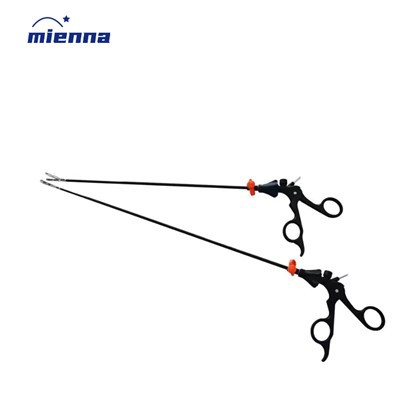
Laparoscopy Forceps

Hangzhou Mienna Business Services Co., Ltd.: Your Professional Laparoscopy Forceps Supplier!

Hangzhou Mienna Business Services Co., Ltd. is a large-scale enterprise specializing in the production and sales of medical products. More than ten years of production and sales have made us a leading comprehensive enterprise with strong R&D strength in the fields of medicine. Our main products include otolaryngology, orthopedics, urology, abdominal surgery, gynecology, disposable related equipment, sports and fitness equipment, etc.

Wide Range of Products

Our main products include orthopedics instruments, otolaryngology instruments, urology instruments, laparoscopy instruments and gynecology instruments. Our products are widely used in the field of medicine.


Leading Service

We have many years of industry experience and a complete production management, quality supervision and sales service operation system. If you want to buy medical products, just send your needs by email and we can respond to you as soon as possible.

Professional Team

As an enterprise that has been tempered for many years, we combine technology and technology to continuously innovate, so that each product is rigorously tested and quality checked.

Complete Qualifications

We have passed ISO quality system certification and CE certification of TUV Rheinland, FDA registration and as well as BSCI audit.


Brief Introduction to Laparoscopy Forceps


Laparoscopy forceps is a fine surgical instrument that enters the abdominal cavity through a small incision (usually a puncture hole) in the abdominal wall and is used for clamping, pulling, separating or removing tissues. In laparoscopic surgeries, such as laparoscopic appendectomy and laparoscopic cholecystectomy, laparoscopic forceps play a vital role. It can help doctors complete complex surgical operations without opening the abdomen, with the advantages of less trauma, faster recovery and fewer complications.


Features of Laparoscopy Forceps
 

Minimally Invasive

Laparoscopic forceps enter the abdominal cavity through a small incision (puncture hole) in the abdominal wall, avoiding the large incision of traditional laparotomy and significantly reducing surgical trauma. Due to the small incision, patients experience less postoperative pain and faster recovery.

Wide Range Of Applications

Laparoscopic forceps are suitable for a variety of laparoscopic surgeries, such as laparoscopic appendectomy, laparoscopic cholecystectomy, gynecological laparoscopy, etc. It is widely used not only in general surgery and gynecological surgery, but also in urology, thoracic surgery and other fields.

Economic Benefits

Because recovery is faster after surgery, patients can be discharged from the hospital earlier, reducing hospitalization costs. Minimally invasive surgery reduces operation time and postoperative recovery time, and improves the utilization efficiency of medical resources.

Various Clamp Head Designs

According to different surgical needs, laparoscopic forceps can be equipped with forceps heads of various shapes and functions, such as clamping type, separation type, cutting type, etc., to meet the needs of complex surgical operations.

Reduce Complications

Because the surgery is minimally invasive, the risk of postoperative infection is relatively low. Precise operation can reduce bleeding during surgery and reduce the need for blood transfusions.

Speed Up Postoperative Recovery

Small incisions heal quickly, reducing post-operative scarring and discomfort. Patients can get out of bed earlier after surgery to promote recovery of body functions.


Components of Laparoscopy Forceps
 

Pipes

Pipes are the parts that perform specific operations, such as clamping, separation, cutting, etc. Their design varies according to the specific needs of the surgery. They are usually made of stainless steel or other medical metal materials to ensure their strength and corrosion resistance. Some forceps may have special designs, such as tooth grooves, curved ends, etc., to enhance the clamping force or adapt to specific surgical environments.

Pipe Rod

It is used to connect the slender part of the forceps head and the handle, transmitting the force and movement applied by the doctor through the handle to the forceps head. It is also made of stainless steel or other rigid materials to maintain its stability and durability. Depending on the needs of the surgery, the length of the forceps rod may vary to ensure that the doctor can easily operate the forceps head.

Handle

The handle is the part that the doctor holds and operates the laparoscopic forceps. Through the control mechanism on the handle (such as levers, buttons, etc.), the doctor can control the opening and closing of the forceps head and other movements. The handle is usually made of plastic, rubber or other ergonomic materials to ensure that the doctor is comfortable to hold and not easy to fatigue during surgery. The handle may be equipped with auxiliary facilities such as anti-slip design and finger rest to improve the stability and accuracy of the doctor's operation.

Transmission Mechanism

The transmission mechanism is located inside the forceps rod or between the handle and the forceps rod, and is responsible for transmitting the force and movement applied by the doctor through the handle to the forceps head. The design of the transmission mechanism needs to ensure the accuracy and stability of force transmission while reducing friction and wear.


Types of Laparoscopy Forceps


Straight Forceps

The head and the rod are straight and have no bends. They are suitable for clamping, traction and other situations where straight-line operation is required.

Cutting Forceps

The head of the forceps may have a blade or cutting mechanism for cutting during surgery. It is used directly to remove tissue or blood vessels.

Grasping Forceps

The forceps head is designed to firmly grasp tissue to prevent it from sliding during surgery. It is widely used to grasp, pull and fix tissue.

Curved Forceps

The head of the forceps has a certain degree of curvature, which is convenient for operation in the narrow space in the abdominal cavity. It is often used in situations where flexible operation is required, such as separation and cutting.

Dissecting Forceps

The head of the forceps is wider and may have tiny serrations or grooves on the edge to facilitate tissue separation. It is mainly used to separate adhesions or blood vessels in the abdominal cavity.

Atraumatic Forceps

The head of the forceps is smooth and has no sharp edges to reduce damage to tissues. It is suitable for clamping delicate blood vessels, nerves and other tissues to reduce surgical trauma.

Suction Forceps

The forceps head is connected to the suction system and can be used to absorb blood, body fluids or debris in the abdominal cavity. It is used to keep the surgical field clear and reduce contamination during surgery.

Bipolar Coagulation Forceps

The forceps head has electrodes at both ends, which can be used for electrocoagulation and hemostasis through electric current. It is used to cut off tissue and prevent bleeding during surgery.

Ultrasonic Scalpel Forceps

It combines ultrasonic scalpel technology to cut and coagulate tissue through high-frequency vibration. It is used for precise cutting and hemostasis, reducing surgical trauma and bleeding.


How To Choose Laparoscopy Forceps?


Laparoscopic Bowel Graspers/ Intestinal Grasping Forceps

Surgical Requirements

Choose the appropriate type of laparoscopic forceps according to the specific needs of the operation, such as straight forceps, curved forceps, separation forceps, clamping forceps, etc. In addition, the diameter and length of the forceps head and the length of the forceps rod, etc., need to match the size of the surgical incision and the surgical site.

Laparoscopy 5mm Forceps 420mm Longer Forceps Customize

Material

Laparoscopic forceps are usually made of stainless steel or other medical metal materials, and they must ensure good corrosion resistance and biocompatibility.

Laparoscopy Surgery Laparoscopic Babcock Forceps

Design And Operability

The handle design should conform to the principles of ergonomics, which is convenient for doctors to hold and operate, and reduce fatigue during surgery. The forceps head should have a certain degree of flexibility to adapt to the operation requirements of different angles and positions in the abdominal cavity. The opening, closing, rotation and other actions of the forceps should be precisely controlled to ensure the accuracy and safety of the surgical operation.


How To Maintain Laparoscopy Forceps?
 
01/

Gently Handle And Place
During use, laparoscopic forceps should be handled and placed gently, and throwing, rubbing, colliding with each other and other behaviors should be avoided to avoid damaging the instrument. If the laparoscopic forceps have a lens or mirror part, care should be taken to protect its surface from scratches or contamination.

02/

Timely Cleaning
After the operation, the laparoscopic forceps should be cleaned immediately. First, rinse the blood and stains on the surface of the instrument with running water, and then soak it in a cleaning agent containing lysozyme for 2 to 3 minutes (the proportion of lysozyme should refer to the product instructions). The cleaning agent can digest organic matter such as protein and fat to achieve a fast and efficient cleaning effect.

03/

Delicate Cleaning
For difficult-to-clean parts such as the tooth groove at the end of the forceps, a soft brush should be used to carefully scrub to ensure that there is no blood and stains left. The lumen part can be repeatedly rinsed with a high-pressure flushing gun to ensure that the interior is clean and unblocked.

04/

Drying And Lubrication
After cleaning, the laparoscopic forceps should be wiped dry with a soft cloth, and the water droplets in the lumen should be blown dry or sucked dry. Then, apply an appropriate amount of lubricant to the movable joints to maintain the flexibility of the joints and reduce wear.

05/

Storage And Protection
After cleaning and drying, the laparoscopic forceps should be stored in a dry, ventilated, dust-free environment, avoiding direct sunlight and moisture. The blade of the sharp instrument should be covered with a rubber protective cover to prevent damage to the blade.

06/

Regular Inspection And Maintenance
Regularly inspect and maintain the laparoscopic forceps, including checking the flexibility of the joints, the sharpness of the blade, and whether the insulation layer is intact. If there is damage or severe wear, it should be replaced or repaired in time.


Frequently Asked Questions


Q: What are laparoscopic forceps?

A: Laparoscopic forceps are a type of medical device designed specifically for laparoscopic surgery. They are usually inserted into the abdominal cavity through a small hole in the abdominal wall and are used for surgical operations such as clamping, separating, cutting or suturing tissues.

Q: What are the main functions of laparoscopic forceps?

A: Clamping and fixation: Accurately clamp and fix tissues or organs in the abdominal cavity to provide a stable operating platform for surgeons.
Separation and cutting: Some types of laparoscopic forceps also have the function of separating and cutting tissues, such as electrocoagulation forceps, ultrasonic knife forceps, etc.
Suturing and knotting: In complex laparoscopic surgery, laparoscopic forceps can be used to suture wounds and tie knots.

Q: What preparations need to be made before using laparoscopic forceps?

A: Check the integrity of the instrument: Make sure that the laparoscopic forceps are not damaged, especially key parts such as the forceps tip and joints.
Disinfection: Strictly disinfect the laparoscopic forceps to meet the requirements of aseptic surgery.
Be familiar with the performance of the instrument: The surgeon or assistant should be familiar with the performance, usage and precautions of the laparoscopic forceps.

Q: How to properly clean and maintain the laparoscopic forceps?

A: Timely cleaning: After the operation, the laparoscopic forceps should be cleaned immediately to avoid blood and stains.
Careful cleaning: Soak with a detergent containing lysozyme, then rinse with clean water, repeatedly rinse the lumen with a high-pressure flushing gun, and brush the tooth grooves at the end of the forceps with a soft brush.
Drying and lubrication: After cleaning, the laparoscopic forceps should be wiped dry, the water droplets in the lumen should be blown dry or sucked dry, and an appropriate amount of lubricant should be applied to the movable joints.
Storage and protection: Store the laparoscopic forceps in a dry, ventilated, dust-free environment, avoid direct sunlight and moisture. The blade surface of sharp instruments should be covered with a rubber protective cover.

Q: What should be paid attention to in the maintenance of laparoscopic forceps?

A: Avoid cross infection: For instruments after surgery on infected patients, they should be disinfected before cleaning.
Comply with operating procedures: Strictly follow the operating procedures and instrument cleaning and maintenance procedures for laparoscopic surgery.
Regular inspection and maintenance: Regularly inspect and maintain the laparoscopic forceps to ensure that they are in good performance and undamaged.

Q: What are the types of laparoscopic forceps?

A: There are many types of laparoscopic forceps, which can be divided into many types according to their functions and uses, such as ordinary forceps, electrocoagulation forceps, ultrasonic knife forceps, suture forceps, etc. Each type of laparoscopic forceps has its specific usage scenarios and advantages.

Q: What is the price of laparoscopic forceps?

A: The price of laparoscopic forceps varies depending on factors such as brand, model, and material. Generally speaking, high-quality and high-performance laparoscopic forceps are more expensive, but can provide better surgical results and longer service life.

Q: What is the future development trend of laparoscopic forceps?

A: With the continuous advancement of medical technology and the widespread application of laparoscopic surgery, the future development trend of laparoscopic forceps will pay more attention to minimally invasiveness, precision, and intelligence. In the future, more laparoscopic forceps with new materials and technologies may appear to meet different surgical needs and improve surgical results.

Q: Are the laparoscopic forceps durable?

A: Laparoscopic forceps are usually made of medical stainless steel. Stainless steel is widely used in the field of medical devices due to its excellent corrosion resistance and wear resistance. This material can effectively resist corrosion and wear during surgery, thereby extending the service life of the instrument. Therefore, from the perspective of material, laparoscopic forceps are more durable. High-quality laparoscopic forceps require sophisticated manufacturing processes and strict quality control. These processes include but are not limited to precision machining, surface treatment, heat treatment, etc. of materials to ensure the accuracy, strength and durability of the instrument. Therefore, the manufacturing process is also an important factor affecting the durability of laparoscopic forceps. The durability of laparoscopic forceps is also closely related to its maintenance after use. Proper maintenance can extend the service life of the instrument and keep it in good working condition. Maintenance measures include but are not limited to pre-washing, ultrasonic cleaning, fine washing and drying, which can effectively remove blood stains, residual tissue and dirt on the instrument, prevent bacterial growth, and keep the instrument clean and sterile.

Q: Are laparoscopic forceps good or bad?

A: Laparoscopic forceps are medical instruments designed for use in minimally invasive surgical procedures, such as laparoscopy. Their quality and effectiveness are not inherently good or bad, but rather depend on several factors. Here are some key considerations that affect the assessment of laparoscopic forceps:
Advantages: Laparoscopic forceps allow surgeons to perform complex procedures through small incisions, reducing trauma to the patient, minimizing scarring, and facilitating faster recovery times. Modern laparoscopic forceps often incorporate advanced features like articulating tips, fine-tuned grasping capabilities, and specialized jaws for delicate tasks. These features enable surgeons to work with great precision and control.
Disadvantages: Laparoscopic equipment, including forceps, can be more expensive than traditional open surgery instruments. This can increase the overall cost of the procedure for patients and healthcare providers.

Q: How long is the service life of laparoscopic forceps?

A: Material and manufacturing process: Laparoscopic forceps are usually made of high-quality metal materials such as stainless steel, which have good corrosion resistance and wear resistance. At the same time, the fineness of the manufacturing process will also affect the service life of the forceps. High-quality manufacturing processes can ensure the precision, strength and durability of the forceps, thereby extending their service life.
Frequency and method of use: The service life of laparoscopic forceps is also closely related to the frequency and method of use. In a high-frequency and high-intensity surgical environment, the degree of wear of the forceps will increase, thereby shortening its service life. In addition, improper use, such as excessive force, improper clamping, etc., may also cause the forceps to be damaged or scrapped prematurely.
Maintenance: Proper maintenance is the key to extending the service life of laparoscopic forceps. This includes regular cleaning, disinfection, lubrication and inspection of the forceps. Through these measures, the forceps can be kept clean, sterile and in good working condition, thereby reducing the risk of wear and damage.

Q: What material is the laparoscopic forceps made of?

A: The material of laparoscopic forceps is mainly stainless steel. Stainless steel is widely used in the field of medical devices due to its excellent corrosion resistance and wear resistance, which enables laparoscopic forceps to withstand various complex operations and environments during surgery to maintain their performance and precision. In addition, with the continuous development of medical technology, the material of laparoscopic forceps is also constantly innovating and improving. For example, some laparoscopic forceps may use more advanced stainless steel alloys or other metal materials to improve their strength, hardness and corrosion resistance. These improvements are designed to further enhance the durability and use effect of laparoscopic forceps.

Q: Are the laparoscopic forceps easy to use?

A: In general, laparoscopic forceps are designed to be ergonomic and intuitive to use, with features such as smooth handles, precise tips, and adjustable tension mechanisms that allow surgeons to manipulate tissue with precision and control. However, laparoscopic surgery itself is a complex and highly specialized field, requiring surgeons to operate through small incisions using long, narrow instruments. This can be challenging, particularly for surgeons who are new to laparoscopic techniques. As such, the ease of use of laparoscopic forceps may vary depending on the surgeon's level of experience and familiarity with laparoscopic surgery.
Additionally, the specific design and functionality of laparoscopic forceps can also impact their ease of use. Some forceps may be designed for specific surgical tasks, such as grasping, cutting, or clamping, and may have specialized features that make them more suitable for those tasks. Surgeons may also have personal preferences for certain types of forceps based on their own experience and surgical style.

Q: Why laparoscopic forceps are important?

A: Precision of surgical operation: Laparoscopic forceps have a fine clamp design that can accurately grasp, fix and pull tissues, organs, blood vessels, nerves and other structures in the abdominal cavity. This precision is crucial for the smooth progress of surgical operations and helps reduce errors and injuries during the operation. During the operation, laparoscopic forceps can be used to protect the surrounding normal tissues from damage, ensure the clarity of the surgical area and the safety of the surgical operation.
Improve surgical efficiency: There are many types of laparoscopic forceps, including straight forceps, curved forceps, locking forceps, curved forceps and other shapes and sizes, which can meet different surgical scenarios and needs. This diversity enables doctors to quickly select suitable instruments during the operation, thereby improving surgical efficiency. By using laparoscopic forceps for precise operation, doctors can complete surgical tasks faster, reduce surgical time and patient pain.
Improve surgical safety: The precise operation of laparoscopic forceps helps reduce complications during the operation, such as bleeding, damage to surrounding tissues, etc. The reduction of these complications is of great significance to improving the success rate of the operation and the quality of patient recovery. Due to the small surgical trauma and few complications, patients usually recover faster after surgery. This helps shorten hospital stays, reduces healthcare costs, and improves patients’ quality of life.
As one of the leading laparoscopy forceps suppliers in China, we warmly welcome you to wholesale high-grade laparoscopy forceps for sale here from our factory. All medical devices and equipment are with high quality and competitive price.laparoscopic bowel graspers intestinal grasping forceps, laparoscopic dissecting forceps laparoscopic dissector

whatsapp

skype

E-mail

Inquiry