




Orthopedics
Why choose us?
Mienna:Your Leading Arthroscopy Forceps Supplier
High Quality
We have customized detailed, professional and rigorous production steps. Each product is produced by professional equipment and completed by hand, and finally put on the market after passing numerous inspections and tests.
Advanced Equipment
We have the most advanced equipment on the market, three production lines, to provide customers with efficient and precise solutions, ensuring we maintain our leading position in the fierce market competition.
Professional Team
Our team of experts is always ready to ensure that our products meet the highest standards of quality and safety, and we are always ready to answer any questions or concerns our customers may have.
Rich Experience
We have rich experience and our products have been exported to more than 20 countries and regions



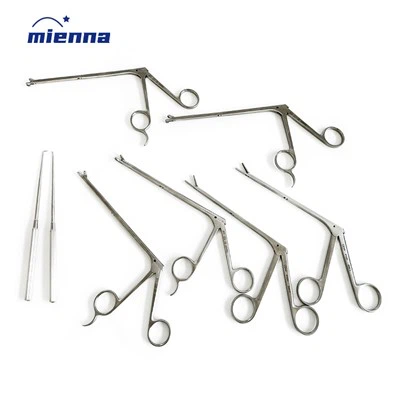


What is Orthopedics?
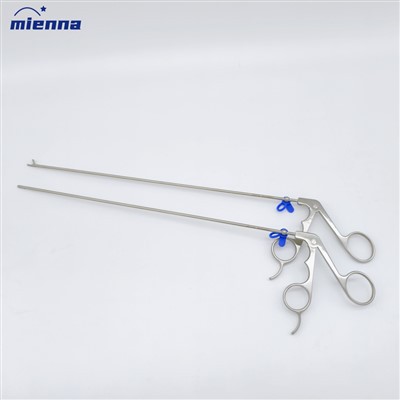
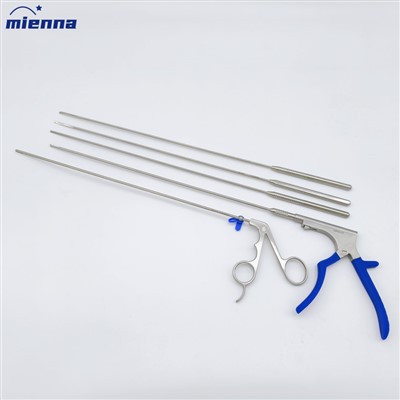
Orthopedic are a type of surgical instrument used in orthopedic surgery, which is the branch of medicine concerned with the correction of deformities and the treatment of injuries and diseases of the skeletal system and associated structures. These forceps are designed to provide precision and control during surgical procedures involving bones, joints, and other musculoskeletal tissues.
Features of Orthopedics

1. Design: They come in various shapes and sizes, including straight and curved types, to accommodate different surgical approaches and anatomical structures.
2. Material: Typically made from stainless steel or other durable materials that can withstand sterilization and repeated use.
3. Jaw Design: The jaws of the forceps are designed to grasp, manipulate, or compress tissues and bone fragments with precision. They may have serrated or smooth surfaces to prevent slippage.
4. Locking Mechanism: Many orthopedic forceps have a locking mechanism that allows the surgeon to securely hold a position or maintain pressure during a procedure.
5. Versatility: They can be used for a variety of tasks, such as holding or manipulating surgical instruments, retracting tissues, reducing fractures, or fixing implants in place.
6. Specialized Types: There are specific types of orthopedic forceps for different procedures, such as bone-holding forceps, tissue retractors, or forceps designed for use with specific implants.
Types Of Orthopedics

1. Bone-Holding Forceps:
- These are used to hold or manipulate bone fragments during procedures such as fracture reduction or bone grafting.
2. Reduction Forceps:
- Specifically designed to help reduce fractures, these forceps provide the necessary leverage and control to align bone segments.
3. Kerrison Bone-Cutting Forceps:
- These forceps are used for precise removal of small bone fragments or for contouring bone during spinal surgery.
4. Caspar Bone-Holding Forceps:
- Used in spinal surgery, these forceps have serrated jaws that provide a secure grip on the vertebral body.
5. Towel Clamps:
- While not exclusive to orthopedics, towel clamps can be used in orthopedic procedures to hold and retract tissues.
6. Ligament Tensioners:
- These forceps are used to tension ligaments or tendons during reconstruction or repair procedures.
7. Bone-Clamp Forceps:
- Designed to clamp onto bones, these forceps are used to stabilize bones during procedures like bone lengthening or deformity correction.
8. Mosquito Hemostats:
- Small, delicate forceps used for fine dissection and hemostasis in delicate areas.
9. Needle Holders:
- Although not exclusively orthopedic, needle holders are crucial in suturing tissues and are used in many orthopedic procedures.
10. Cable and Wire Graspers:
- These forceps are designed to handle cables and wires used in various orthopedic fixation devices.
11. Serrated Forceps:
- The serrated jaws on these forceps provide a better grip on tissues and bone, reducing the risk of slippage.
12. Smooth Forceps:
- These have smooth jaws, which are useful for handling delicate tissues where a serrated grip could cause damage.
13. Self-Retaining Retractors:
- While not a forceps, these devices are often used alongside forceps in orthopedic surgery to hold back tissues and provide a clear field of view.
14. Spine Specific Forceps:
- Certain forceps are designed specifically for spinal procedures, such as disc removal or spinal fusion.
15. Arthroscopic Forceps:
- Designed for use in minimally invasive arthroscopic surgery, these forceps are smaller and more delicate than their open surgery counterparts.

Material of Orthopedics
Orthopedics are typically made of stainless steel, a durable and corrosion-resistant biocompatible material.
Application Of Orthopedics
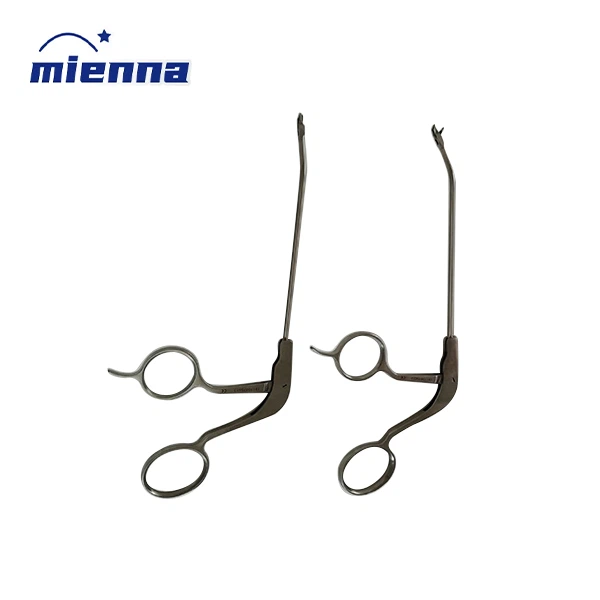
Orthopedic implants: Used to treat fractures, joint replacements, and other conditions. Examples include fracture plates, screws, pins, wires, and artificial ligaments.
Orthopedic fixation devices: Used to treat fractures and soft tissue injuries. These devices can be internal, external, or intramedullary.
Joint replacement: A surgical procedure that replaces a joint with an artificial one. This can be done for the hip, knee, shoulder, elbow, wrist, ankle, spine, or finger.
Additive manufacturing: 3D printing technologies can be used to create orthopedic devices.
Biodegradable implants: Magnesium-based implants are being studied as a temporary option because they have a similar density and elastic modulus to natural bone.
Nonsurgical treatments: These include physical therapy, braces, splints, and traction.
Application Of Orthopedics
Ligament and Tendon Repairs:
- Forceps can be used to grip and manipulate ligaments or tendons during repair or reconstruction procedures.
Hemostasis:
- Forceps can be used to grasp and control bleeding vessels during surgery to maintain a clear surgical field.
Handling Surgical Instruments:
- Orthopedic forceps can be used to handle other surgical instruments, such as drills or saws, when needed.
Reduction of Dislocations:
- Forceps can aid in the manipulation of bones back into their correct anatomical positions in cases of dislocations.
Osteotomy:
- During osteotomy procedures, forceps may be used to hold or manipulate bone segments as they are cut and repositioned.
Pediatric Orthopedics:
- Specialized forceps are used in pediatric orthopedic procedures to accommodate the smaller bone structures of children.
Postoperative Care:
- In some cases, forceps may be used in postoperative care for tasks such as wound debridement or dressing changes.

Process of Arthroscopy

1. Select the right size
The surgeon chooses the size of the forceps based on the bone size and the procedure.
2. Position the forceps
The surgeon places the forceps on the bone fragments to grip them securely.
3. Adjust the force
The surgeon adjusts the forceps to apply the right amount of force to hold the bone in place.
4. Perform the procedure
The surgeon uses the forceps to perform the procedure, such as fracture reduction, bone fixation, or bone grafting.
Maintenance Tips for Orthopedic
Immediate cleaning:
Clean the forceps right after surgery to prevent blood and tissue debris from drying on the instrument, which can be harder to remove later.
Enzymatic detergent:
Use a dedicated enzymatic cleaning solution designed for surgical instruments to effectively break down organic matter.
Soft bristle brush:
For detailed cleaning, use a soft-bristled brush to gently scrub the forceps, including the teeth and crevices.
Proper rinsing:
Rinse the forceps thoroughly with clean, running water to remove all cleaning solution residue.
Drying technique:
Open the forceps fully and dry them completely with a clean cloth or air dry to prevent rusting.
Lubrication:
Apply a small amount of medical-grade lubricant to the joints of the forceps to ensure smooth movement and reduce wear and tear.
Storage:
Store the forceps in a clean, dry area, ideally in a designated instrument tray or container to protect them from damage and contamination.

Our factory

FAQS
Q: What is orthopedic instrumentation?
A: Orthopedic surgery instruments are designed for surgeries related to muscles, joints, ligaments, and bones. Our extensive range of orthopedic instruments accommodates a variety of medical approaches.
Q: What is the most common orthopedic device?
A: Common medical devices used for orthopaedic applications include, but are not limited to: Joint replacement implants, such as total hip arthoplasty and finger joint replacement. Spine stabilization implants, such as spinal rods, screws,and fixation plates etc.
Q: What is the function of bone forceps?
A: Bone Holding Forceps are general-purpose instruments used in medical procedures that involve bone stabilization. Bone holding forceps are designed to treat fragile bones such as smaller phalangeal and metacarpal bones requiring small instruments for circumference.
Q: What is considered an orthopedic device?
A: Orthopaedic devices are medical tools designed to treat or prevent musculoskeletal injuries or disorders owing to trauma, congenital conditions and degenerative disease. They support or replace muscles, cartilage, joints or bones, as well as the rehabilitation process post surgery.
Q: What are orthopedic devices used for?
A: Orthopedic fixation devices are used in the treatment of fractures, soft-tissue injuries, and reconstructive surgery. After fracture reduction, internal, external, or intramedullary fixation devices may be used to provide stability and maintain the alignment of bone fragments during the healing process.
Q: What is an orthopedic device used to support?
A: Orthopedic bracing is a medical device that provides support and stability to an injured or weak joint, muscle, or bone. It's a non-surgical approach that helps prevent further damage and promotes faster healing.
Q: What is orthopedic instrument?
A: Orthopedic Surgical Instruments are tools or devices that are specifically designed to perform various medical procedures during surgery. These instruments are essential for performing surgical procedures with precision, accuracy, and safety.