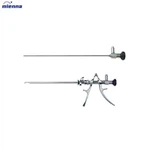
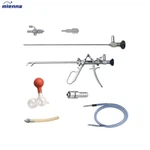
CO2 Insufflator

Hangzhou Mienna Business Services Co., Ltd.: Your Professional CO2 Insufflator Supplier!

Hangzhou Mienna Business Services Co., Ltd. is a large-scale enterprise specializing in the production and sales of medical products. More than ten years of production and sales have made us a leading comprehensive enterprise with strong R&D strength in the fields of medicine. Our main products include otolaryngology, orthopedics, urology, abdominal surgery, gynecology, disposable related equipment, sports and fitness equipment, etc.

Wide Range of Products

Our main products include orthopedics instruments, otolaryngology instruments, urology instruments, laparoscopy instruments and gynecology instruments. Our products are widely used in the field of medicine.


Leading Service

We have many years of industry experience and a complete production management, quality supervision and sales service operation system. If you want to buy medical products, just send your needs by email and we can respond to you as soon as possible.

Professional Team

As an enterprise that has been tempered for many years, we combine technology and technology to continuously innovate, so that each product is rigorously tested and quality checked.

Complete Qualifications

We have passed ISO quality system certification and CE certification of TUV Rheinland, FDA registration and as well as BSCI audit.


Brief Introduction to CO2 Insufflator


CO2 insufflator is a device that uses CO2 gas to establish and maintain a certain abdominal pressure in the patient's body cavity during laparoscopic surgery to provide ideal visual conditions and sufficient surgical space.


Features of CO2 Insufflator
 

Provide Surgical Space
The CO2 insufflator fills the body cavity by injecting CO2 gas into the abdominal cavity, thereby providing the surgeon with sufficient surgical space. This is crucial for laparoscopic surgery because it allows doctors to perform delicate surgical operations under a clear field of view.


Safety
CO2 is an inert gas that is non-flammable, non-combustible, and can be quickly absorbed and discharged in the body. Therefore, the use of CO2 as a pneumoperitoneum medium has a high degree of safety. In addition, CO2 has a high solubility in the body and can be quickly discharged through breathing, reducing the risk of postoperative gas residue.


Reduce Complications
Compared with other gases (such as air or nitrogen), the use of CO2 gas in the abdominal cavity can reduce the occurrence of postoperative complications. For example, it can reduce the risk of subcutaneous emphysema and gas embolism, as these complications are often related to the low solubility of gas in the body and slow discharge.


Easy To Operate
CO2 insufflator devices are usually compact and easy to operate. Doctors can easily control the injection speed and pressure of the gas to meet different surgical needs.


Economical
Although the cost of CO2 gas may be slightly higher than other gases, its economical efficiency is still acceptable considering its safety and advantages in reducing complications, as well as its key role in surgery. In addition, with the continuous advancement of medical technology and the reduction of costs, the cost of using CO2 insufflator is also expected to be further reduced.


Components of CO2 Insufflator
 
01/

Host
The core of the host is the control system, which is responsible for controlling the flow, pressure and other key parameters of CO2 gas. It usually includes components such as circuit boards, microprocessors, display screens and buttons, which are used to set and display the working status of the equipment. The host is the core component of the CO2 insufflator, and its performance and stability directly affect the effect of the operation and the safety of the patient.

02/

Foot Switch
The foot switch allows medical staff to control the injection and stop of CO2 gas without leaving the operating table. It is usually designed to be waterproof, dustproof and easy to clean to ensure the hygiene and safety of the operating room. The foot switch improves the convenience and efficiency of the operation and reduces the risks that may be caused by frequent movement of medical staff.

03/

Smoke Exhaust Pipe
During the operation, smoke will be generated due to operations such as electrocoagulation and electroresection. The smoke exhaust pipe is responsible for exhausting this smoke from the surgical area to maintain a clear surgical field of view. A clear surgical field of view is essential for the smooth progress of the operation, and the presence of the smoke exhaust pipe ensures a good line of sight during the operation.

04/

Smoke Filter
The smoke filter is usually connected to the smoke exhaust pipe to filter and purify harmful substances in the exhaust smoke, such as tiny particles, viruses and bacteria. This helps to protect the air quality in the operating room and the health of medical staff. The presence of the smoke filter reduces the risk of air pollution in the operating room and helps maintain the cleanliness and safety of the operating room.

05/

High-Flow Gas Injection Tube
The high-flow gas injection tube is responsible for transporting CO2 gas from the gas source to the patient’s body. It usually has a large inner diameter and a high flow rate to ensure that CO2 gas can be injected quickly and stably during the operation. The performance of the high-flow gas injection tube directly affects the injection speed and stability of CO2 gas, which is crucial to the success of the operation.

06/

Gas Injection Tube And Sanitary Filter
The gas injection tube connects the main unit and the high-flow gas injection tube, and is responsible for transporting the controlled CO2 gas to the surgical area. The sanitary filter is used to filter impurities and microorganisms in the gas injection tube to ensure that the gas entering the patient’s body is clean and sterile. The presence of the insufflation tube and sanitary filter ensures the purity and sterility of CO2 gas and reduces the risk of surgical infection.


Types of CO2 Insufflator


Class Iii Medical Devices

Some CO2 insufflators may belong to Class III medical devices, which are medical devices with the highest risk level and require special measures to strictly control and manage them to ensure their safety and effectiveness. Such devices usually have more advanced functions and stricter quality control standards.

Class Ii Medical Devices

Another type of CO2 insufflator may belong to Class II medical devices. Although such devices also have certain risks, they are lower than Class III. They are usually used in clinical laparoscopic surgery to provide the necessary CO2 gas to expand the patient’s body cavity.

Co2 Insufflator For Laparoscopy/co2 Gas Insufflation


How To Choose CO2 Insufflator?


Performance Parameters
The appropriate CO2 flow range should be selected according to the surgical needs to ensure that the intra-abdominal pressure can be accurately controlled during the operation. The insufflator should have good pressure stability to maintain a clear surgical field of view and smooth surgical operations.


Heating Function
Some high-end CO2 insufflator has a heating function, which can heat the input CO2 gas to avoid the patient's body temperature dropping when the gas enters the abdominal cavity. It should have a complete alarm system, including alarms such as abnormal gas flow, too high or too low pressure, to ensure the safety of the operation.


Convenience Of Operation
The operation interface should be intuitive and easy to understand, so that medical staff can quickly get started and accurately set various parameters. The touch screen or button layout should be reasonable to reduce the possibility of misoperation.


Maintenance
The equipment should be easy to clean and maintain to reduce downtime and repair costs. Parts should be easily replaced and spare parts should be in sufficient supply.


Safety
The input CO2 gas should be of high purity to avoid impurities causing adverse effects on patients. The equipment should have filtering and purification functions to remove impurities and moisture in the gas.


How To Maintain CO2 Insufflator?
Medical Laparoscopy Co2 Insufflator For Endoscopy
Co2 Insufflator For Laparoscopy/co2 Gas Insufflation
Medical Laparoscopy Co2 Insufflator For Endoscopy

Cleaning and Maintenance
Clean the surface of the equipment regularly to remove dust and dirt to prevent damage to the inside of the equipment. Use a soft cloth or sponge and appropriate detergent for cleaning, and avoid using materials that are too rough or corrosive.


Check The Connection
Regularly check whether the connection between the various components of the equipment is firm, including power cords, air pipes, filters, etc. Ensure that there are no safety hazards such as air leakage and electric leakage.


Observe The Operation
During the operation of the equipment, pay attention to observe whether its working status and parameter display are normal. If any abnormality is found, stop the machine in time for inspection and troubleshooting.


Regular Calibration
Regularly calibrate the key parameters of the equipment such as flow and pressure to ensure their accuracy. Calibration should be performed by professionals with relevant qualifications.


Replace Filters
Regularly replace wearing parts such as smoke filters and sanitary filters according to the requirements of the equipment instruction manual. The filter replacement cycle may vary depending on the equipment model and usage, and needs to be determined based on actual conditions.


Check The Gas Source
Regularly check the quality and purity of the CO2 gas source to ensure that it meets the surgical requirements. If the gas quality is found to be degraded or the purity is insufficient, the gas source should be replaced in time.


Lubrication And Maintenance
Perform regular lubrication and maintenance on the parts of the equipment that need lubrication to reduce wear and extend service life. Use appropriate lubricants and perform lubrication operations in accordance with the requirements of the equipment manual.


Frequently Asked Questions


Q: What is CO2 insufflator?

A: CO2 insufflator is a medical device widely used in the medical field, especially in laparoscopic surgery. It establishes and maintains a certain abdominal pressure by injecting CO2 gas into the patient's body, thereby expanding the surgical field of view and providing sufficient space for surgical operations.

Q: What are the main components of CO2 insufflator?

A: Host: Contains core components such as control system, circuit board, microprocessor, etc., responsible for controlling the flow rate, pressure and other parameters of CO2 gas.
Foot switch: Allows medical staff to control the injection and stop of CO2 gas without leaving the operating table.
High-flow gas injection tube: Responsible for transporting CO2 gas from the gas source to the patient's body.
Gas injection tube and sanitary filter: Ensure that the gas entering the patient's body is clean and sterile.
Smoke removal system (some models): Used to remove smoke generated during surgery and keep the surgical field clear.

Q: How does CO2 insufflator work?

A: Gas injection: The device injects CO2 gas into the patient's abdominal cavity through a high-pressure tube.
Establishment of abdominal pressure: With the continuous injection of gas, the pressure in the abdominal cavity gradually increases, thus achieving the establishment of abdominal pressure.
Surgical operation: Under the action of abdominal pressure, the structure and pathological conditions in the abdominal cavity can be clearly displayed, and the doctor performs surgical operations accordingly.
Gas discharge (after the operation): After the operation, the CO2 gas in the abdominal cavity needs to be discharged to restore the abdominal pressure to normal.

Q: How to maintain and service the CO2 insufflator?

A: Daily cleaning: Clean the surface of the equipment regularly to remove dust and dirt.
Check the connection: Check regularly whether the connection between the various components of the equipment is firm to prevent safety hazards such as air leakage and leakage.
Regular calibration: Regularly calibrate the key parameters of the equipment such as flow and pressure to ensure their accuracy.
Replace the filter: According to the requirements of the equipment manual, regularly replace the consumable parts such as smoke filters and sanitary filters.
Avoid collision: During use and maintenance, avoid the equipment from collision or fall.

Q: What matters need to be paid attention to when using the CO2 insufflator?

A: Operation specification: Strictly follow the equipment manual to avoid equipment damage or surgical failure due to misoperation.
Safety monitoring: During the operation, pay close attention to the patient's vital signs and surgical conditions to ensure the safety of the operation.
Environmental requirements: The equipment should be placed in a stable, dry and ventilated place to avoid being in a humid environment for a long time.

Q: What are the functions of CO2 insufflator?

A: Establish and maintain abdominal pressure: The CO2 insufflator establishes and maintains a certain abdominal pressure by injecting CO2 gas into the patient's body. This is a basic step in laparoscopic surgery, because the establishment of abdominal pressure can expand the surgical field of view and enable doctors to observe the structure and pathological conditions in the abdominal cavity more clearly. During the operation, the insufflator injects CO2 gas into the patient’s abdominal cavity through a high-pressure tube. As the gas is continuously injected, the pressure in the abdominal cavity gradually increases, thereby achieving the establishment and maintenance of abdominal pressure.
Provide surgical space: The establishment of abdominal pressure not only helps to expand the surgical field of view, but also provides sufficient space for surgical operations. This allows doctors to perform surgical operations more calmly, reducing the difficulty and risk of surgery. By maintaining a stable abdominal pressure, the CO2 insufflator also helps to reduce complications during surgery, such as intra-abdominal bleeding and organ damage.

Q: Is the CO2 insufflator durable?

A: It depends on several factors as following:
Product structure and material: CO2 insufflator usually consists of insufflator main unit, gas heating device, high-pressure pipe and gas filter. The material and design of these components will affect the durability of the equipment. For example, high-quality materials and precise manufacturing processes can ensure the stability and reliability of the equipment during long-term use.
Use environment: CO2 insufflator is mainly used in medical institutions, such as operating rooms. These environments usually have high requirements for the cleanliness, sterility and stability of the equipment. Proper use and maintenance can extend the service life of the equipment.
Maintenance: Regular maintenance is essential to keep the equipment in good condition. This includes cleaning the equipment, replacing wearing parts, checking circuits and mechanical parts, etc.

Q: What are the advantages and disadvantages of CO2 insufflators?

A: In general, CO2 insufflators are used in medical procedures, particularly during laparoscopic surgeries, to inflate the abdominal cavity with carbon dioxide gas. This helps to create space between the abdominal wall and internal organs, allowing surgeons to perform procedures with greater ease and visibility.
Advantages of CO2 insufflators include:
Improved visibility: By inflating the abdominal cavity, CO2 insufflators help to create a clearer view for surgeons, making it easier to locate and operate on internal organs.
Reduced risk of complications: Laparoscopic surgeries using CO2 insufflation are generally associated with a lower risk of complications compared to traditional open surgeries. This is because the smaller incisions required for laparoscopic surgery result in less tissue trauma and a faster recovery time.
Less pain and scarring: The smaller incisions used in laparoscopic surgeries result in less pain and scarring for patients.
However, there are also some potential drawbacks to using CO2 insufflators:
Carbon dioxide absorption: Carbon dioxide can be absorbed into the bloodstream during laparoscopic surgeries, which can lead to acidosis (a condition in which the body has too much acid) or other complications. However, this is typically not a significant concern for most patients.
Gas embolism: In rare cases, gas embolism (a condition in which gas bubbles enter the bloodstream and block blood flow) can occur during laparoscopic surgeries using CO2 insufflation. This is a serious complication that requires immediate medical attention.

Q: How long is the service life of CO2 insufflator?

A: The service life of a CO2 insufflator can vary depending on several factors, including the quality of the product, its usage frequency, and the maintenance it receives. Here's a summary of what can influence the service life of a CO2 insufflator:
Quality of the Product: The quality of the CO2 insufflator plays a crucial role in determining its service life.
Usage Frequency: How often the CO2 insufflator is used also affects its service life. Devices that are used frequently are more likely to wear out sooner than those used infrequently.
Maintenance: Regular maintenance and proper care can significantly extend the service life of a CO2 insufflator. This includes cleaning the device, replacing worn-out parts, and ensuring that it is stored in a suitable environment.
Environmental Conditions: The storage and operating conditions of the CO2 insufflator can also impact its longevity. For instance, exposure to extreme temperatures, humidity, or dust can accelerate wear and tear.

Q: Is the CO2 insufflator easy to use?

A: Overall, modern CO2 inflators are designed to be user-friendly and efficient for medical professionals performing laparoscopic or endoscopic procedures.
Here are some of the factors that contribute to the ease of use of CO2 inflators:
Intuitive controls: Many CO2 inflators feature intuitive control panels with clearly labeled buttons, dials, or touchscreens. This allows medical professionals to easily adjust settings such as flow rate, pressure, and temperature without confusion.
Digital display: Many models feature a digital display that displays real-time information about gas flow, pressure, and other important parameters. This helps users monitor the system's performance and make adjustments as needed.
Alarm systems: Advanced CO2 inflators often include alarm systems that alert users when there are any issues with the system, such as low gas levels, high pressure, or leaks. This helps prevent complications during surgery and ensure patient safety.
Portability: Some CO2 inflators are designed to be lightweight and portable, making them easy to transport between operating rooms or clinics.
Compatibility: Many models are compatible with a variety of surgical instruments and accessories, such as endoscopes, trocars, and other laparoscopic tools. This ensures that the CO2 insufflator can be used for a variety of surgical procedures.
Easy to maintain: Some manufacturers design CO2 insufflators with easily accessible components and filters that can be quickly and easily replaced or cleaned. This helps reduce downtime and maintain system performance over the long term.

Q: Why CO2 insufflator is important?

A: Providing surgical space and visual conditions: The CO2 insufflator establishes and maintains a certain abdominal pressure by injecting CO2 gas into the patient's body cavity. This abdominal pressure provides the operator with sufficient surgical space, allowing surgical instruments to enter and operate more easily, thereby improving the accuracy and safety of the operation. The establishment of abdominal pressure also creates a certain gap between the organs in the abdominal cavity and the abdominal wall, which helps to improve the surgical field of view, allowing the operator to see the surgical site more clearly, and further improves the success rate of the operation.
Promote the smooth progress of the operation: The use of the CO2 insufflator can reduce damage to surrounding organs during surgery, thereby reducing the incidence of surgical complications. A good surgical field of view and sufficient surgical space help the operator complete the operation faster, thereby shortening the operation time, reducing the patient's pain and postoperative recovery time.
Safety and comfort: CO2 gas is a safe and non-toxic gas that will not have harmful effects on the human body. This makes the CO2 insufflator a safe and reliable auxiliary device during surgery. By adjusting the flow and pressure of CO2 gas, the patient's comfort during surgery can be ensured and the discomfort caused by surgery can be reduced.
Widely used: CO2 insufflator has been widely used in various laparoscopic surgeries, such as cholecystectomy, appendectomy, subtotal gastrectomy, etc. Its importance is self-evident.
As one of the leading co2 insufflator suppliers in China, we warmly welcome you to wholesale high-grade co2 insufflator for sale here from our factory. All medical devices and equipment are with high quality and competitive price. orthopedics transforaminal spine rongeur detachable

whatsapp

skype

E-mail

Inquiry