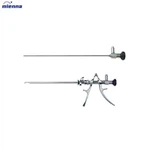
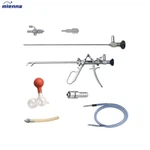
Otoscope

Hangzhou Mienna Business Services Co., Ltd.: Your Professional Otoscope Supplier!

Hangzhou Mienna Business Services Co., Ltd. is a large-scale enterprise specializing in the production and sales of medical products. More than ten years of production and sales have made us a leading comprehensive enterprise with strong R&D strength in the fields of medicine. Our main products include otolaryngology, orthopedics, urology, abdominal surgery, gynecology, disposable related equipment, sports and fitness equipment, etc.

Wide Range of Products

Our main products include orthopedics instruments, otolaryngology instruments, urology instruments, laparoscopy instruments and gynecology instruments. Our products are widely used in the field of medicine.


Leading Service

We have many years of industry experience and a complete production management, quality supervision and sales service operation system. If you want to buy medical products, just send your needs by email and we can respond to you as soon as possible.

Professional Team

As an enterprise that has been tempered for many years, we combine technology and technology to continuously innovate, so that each product is rigorously tested and quality checked.

Complete Qualifications

We have passed ISO quality system certification and CE certification of TUV Rheinland, FDA registration and as well as BSCI audit.


Brief Introduction to Otoscope


Otoscope is a medical instrument used to examine the inside of the ear, especially the eardrum. It mainly consists of a magnifying glass and a light source, which helps doctors or medical professionals diagnose diseases or abnormalities of the outer and middle ears by illuminating and magnifying the ear canal and eardrum.


Features of Otoscope
 

Intuitiveness And Accuracy
The otoscope can directly observe the internal structure of the ear, such as the eardrum and external auditory canal, providing doctors with intuitive and accurate diagnostic basis. Through the otoscope, doctors can clearly see the pathological conditions in the ear canal, such as inflammation, foreign matter, perforation, etc., so as to make an accurate diagnosis.


Non-Invasiveness And Safety
Compared with other examination methods, otoscope examination is non-invasive and does not require anesthesia or skin incision for patients, thus greatly reducing the risk and discomfort during the examination. At the same time, the use of otoscopes is relatively safe and will not cause additional harm to patients.


Convenience And Efficiency
Otoscope examination is simple and quick to operate and can usually be completed in a short time. The doctor only needs to gently insert the otoscope into the patient’s ear canal for observation and diagnosis. This convenience makes otoscope examination one of the commonly used examination methods in clinical practice.


Wide Range Of Applications
Otoscopes are not only suitable for adults, but also for patients of different ages such as children. In addition, it can also be used to diagnose various ear diseases, such as otitis media, external otitis, tympanic membrane perforation, etc.


Auxiliary Treatment And Monitoring
During the treatment process, the otoscope can also be used as an auxiliary tool to help doctors monitor changes in the condition and the effectiveness of treatment. For example, when cleaning the ear canal or removing foreign objects from the ear canal, the otoscope can provide a clear view to ensure the safety and accuracy of the operation.


Components of Otoscope
ENT Ear Endoscope Ear Otoscope 3mm Otoscope

Light Source

Light source provides enough light to illuminate the inside of the ear so that the doctor or examiner can clearly see the eardrum and other ear canal structures. The light source is usually adjustable to suit different examination needs.

ENT Ear Endoscope Ear Otoscope 3mm Otoscope

Magnifier Or Microscope

This component is used to magnify the image of the inside of the ear, allowing the examiner to observe fine structures such as the eardrum and ear canal more closely. The magnification of the magnifier or microscope may vary depending on the model of the otoscope.

ENT Ear Endoscope Ear Otoscope 3mm Otoscope

Handle

It is used to hold and operate the otoscope, ensuring stable control of the instrument during the examination. The design of the handle usually takes ergonomics into consideration to improve comfort and convenience of use.

ENT Ear Endoscope Ear Otoscope 3mm Otoscope

Lens Or Speculum

This is the key part of the otoscope, which directly contacts the patient’s ear and allows light and images to pass through. The material and design of the lens or speculum are crucial to the clarity and comfort of the examination.


Types of Otoscope


General Examination Otoscope
This is the most common type of otoscope, which is mainly used to examine the conditions of the ear canal, eardrum and middle ear in order to diagnose and treat ear diseases. It usually consists of a handheld or desktop light source and an ear head, is easy to operate and relatively inexpensive.


Digital Otoscope
The digital otoscope integrates a digital camera and a display screen, which can display the images of the ear canal and eardrum on the screen in real time, making it convenient for doctors and patients to observe. This type of otoscope is easy to operate and has clear images, but the price is relatively high.


Visual Otoscope
The visual otoscope is similar to the digital otoscope, which also transmits the internal image of the ear canal to the display screen, but may focus more on real-time observation and interactive experience. It usually consists of an ear canal probe and a display screen, which is convenient for doctors to diagnose and treat.


Surgical Otoscope
The surgical otoscope is an otoscope specifically used for ear surgery, usually composed of a high-definition optical lens and an operating handle, which can magnify the ear structure and facilitate doctors to perform delicate surgical operations.


Professional Otoscope
Professional otoscopes are used in special occasions and special purposes, such as hearing tests, cochlear implant surgery, etc. This type of otoscope is usually more expensive and requires professional skills to operate.


How To Choose Otoscope?


Functional Requirements

First, you need to clarify whether the main purpose of the otoscope is only for inspection or for diagnosis, treatment or surgery. Different uses may require different types of otoscopes.

Magnification And Clarity

Depending on the degree of ear detail that needs to be observed, you can choose an otoscope with appropriate magnification and clarity. A high-definition otoscope can provide more accurate diagnostic evidence.

Light Source

The intensity and adjustability of the light source are crucial for observing the inside of the ear canal. You can choose an otoscope with a stable light source and adjustable brightness to adapt to different inspection environments.

Material And Design

The material of the otoscope should be safe and non-toxic, and the design should be ergonomic to reduce discomfort to the patient. Especially for pediatric patients, you should choose an otoscope with soft material and lightweight design.

Hygiene Requirements

The otoscope should be easy to clean and disinfect to prevent cross infection. You can choose detachable and easy-to-clean parts and follow a strict disinfection process.

Portability

If you need to conduct inspections or treatments in different locations, it will be more convenient to choose a lightweight and easy-to-carry otoscope.

Durability

Considering that an otoscope is likely to see frequent use, you can choose durable materials and construction to reduce repair and replacement costs.


How To Maintain Otoscope?
ENT Ear Endoscope Ear Otoscope 3mm Otoscope

Regular Cleaning
You can use a soft cloth or cotton swab, and an appropriate cleaning agent (such as medical alcohol) for cleaning. You need to avoid using cleaning materials that are too rough or corrosive to avoid scratching or damaging the surface of the otoscope. Gently wipe the outer shell and handle of the otoscope with a soft cloth to remove dust and dirt. For removable parts (such as lenses, earplugs, etc.), they should be disassembled and cleaned according to the manufacturer's instructions. You can use medical alcohol or special cleaning agents to gently wipe the internal surface, and be careful not to penetrate the liquid into the electronic components or mechanical parts. For precision parts such as optical fibers and lenses, special cleaning cloths or cotton swabs should be used for cleaning, and rough cleaning tools or strong cleaning agents should be avoided.


Disinfection
You can use medical disinfectants (such as chlorine-containing disinfectants, peracetic acid, etc.) to soak or wipe and disinfect according to the instructions. Be careful to choose a disinfectant that is non-corrosive to the otoscope material. For high-temperature resistant otoscope parts, high-temperature steam or ultraviolet rays can be used for disinfection.


Storage And Protection
You can store the otoscope in a dry, ventilated, dust-free environment, avoiding direct sunlight and moisture. You can place the otoscope in a dedicated storage box or stand to avoid contact with hard objects to avoid scratches or damage. When carrying or moving the otoscope, it should be handled with care to avoid severe vibration to avoid damage to internal components.


Regular Inspection And Maintenance
You can regularly check whether the appearance of the otoscope is damaged or worn, and replace or repair it in time if necessary. In addition, you also need to check whether the light source, magnification, clarity and other functions of the otoscope are normal. If there are any abnormalities, they should be adjusted or repaired in time.


Frequently Asked Questions


Q: What are the functions of otoscope?

A: Inspection function: The otoscope can directly observe the internal structure of the ear canal, including the external auditory canal, tympanic membrane, etc., providing doctors with intuitive visual information. Through the otoscope, doctors can clearly see whether there are foreign bodies, cerumen, cholesteatoma, skin inflammation, tympanic membrane lesions (such as perforation, calcified plaques, invagination, effusion, etc.) and other space-occupying lesions (such as tympanic body tumors, middle ear cancer, etc.) in the ear canal. These observations are crucial for diagnosing ear diseases. Based on the results observed by the otoscope, doctors can assess the severity of ear canal diseases and the state of the tympanic membrane, providing a basis for formulating treatment plans.
Diagnostic function: The otoscope is an important tool for diagnosing ear diseases such as otitis media, external otitis, and tympanic membrane perforation. By observing changes in the ear canal and tympanic membrane, doctors can confirm these diseases. For some ear diseases that are difficult to distinguish, such as tympanosclerosis and secretory otitis media, the otoscope can provide key differential diagnostic information.
Treatment auxiliary function: The results of otoscope examination can help doctors formulate targeted treatment plans. For example, for patients with foreign bodies or cerumen blockage in the ear canal, doctors can choose the appropriate cleaning method based on the results of otoscope observation. During treatment, otoscopes can also be used to monitor the efficacy of treatment. Doctors can evaluate the effectiveness of treatment by regularly observing changes in the ear canal and eardrum, and adjust the treatment plan accordingly.

Q: What are the main functions of an otoscope?

A: Inspection function: Directly observe the internal structure of the ear canal, such as the external auditory canal, tympanic membrane, etc., to provide doctors with intuitive visual information to detect abnormalities.
Diagnostic function: By observing changes in the ear canal and tympanic membrane, doctors can diagnose ear diseases such as otitis media, external otitis, tympanic membrane perforation, and make differential diagnoses.
Treatment auxiliary function: Guide the formulation of treatment plans and monitor the efficacy during treatment.

Q: What types of otoscopes are there?

A: Classification by function: General examination otoscope, digital otoscope, visual otoscope, surgical otoscope, professional otoscope, etc.
Classification by otoscope head type: Diagnostic head, pneumatic head, operating head, etc.
Classification by use occasion: Medical otoscope, industrial otoscope, cosmetic otoscope, personal otoscope, etc.

Q: Is the otoscope durable?

A: The material of the otoscope is crucial to its durability. High-quality metal or alloy materials are usually more durable than plastic or inferior metals, and can resist wear and corrosion during daily use and cleaning. Exquisite manufacturing technology ensures that the various parts of the otoscope are tightly combined, reducing the possibility of loosening and falling off, thereby improving durability. The ergonomic design can reduce fatigue and discomfort during use, and the reasonable structural layout can also protect the key parts of the otoscope from damage. Correct use and timely maintenance are essential to extend the service life of the otoscope. Users should follow the instructions in the product manual to avoid damage to the otoscope due to excessive force or improper use. At the same time, regular cleaning and disinfection can also maintain the hygiene of the otoscope and reduce wear.

Q: What are the advantages and disadvantages of otoscope?

A: Advantages: The otoscope is compact and easy to carry and operate, allowing doctors to quickly and easily examine the external auditory canal and eardrum. Modern otoscopes mostly use high-quality optical systems or electronic imaging technology, which can provide clear, magnified images, helping doctors to accurately judge the condition. Otoscopic examination is a non-invasive examination method that does not cause additional physical harm or discomfort to the patient. The otoscope can not only be used to diagnose ear diseases such as otitis media and external otitis, but also to clean the ear canal and remove foreign objects. Through careful observation with an otoscope, doctors can detect ear lesions earlier, thereby improving the accuracy and timeliness of diagnosis.
Disadvantages: Although the otoscope can provide clear images, its field of view is relatively limited, and it may not be possible to fully observe the entire external auditory canal and eardrum.

Q: What material is the otoscope made of?

A: Metal material: Traditionally, some parts of otoscopes (such as ear speculum devices, surgical magnifiers, etc.) may be made of metal materials, such as stainless steel. These materials have good durability and corrosion resistance and are suitable for use in medical environments.
Optical lenses: The optical lenses in otoscopes are usually made of high-quality optical glass or resin materials to ensure image clarity and magnification.
Transparent plastic material: Disposable otoscopes are usually made of transparent plastic materials to reduce costs and prevent cross-infection. These plastic materials have high transparency and can clearly observe the condition of the ear canal and tympanic membrane.

Q: Is the otoscope easy to use?

A: The ease of use of an otoscope depends mainly on its design, functions, and the skills and experience of the user. Generally speaking, modern otoscopes are often designed with the user's ease of operation in mind, so most otoscopes are relatively easy to use. Many otoscopes are handheld, making them easy for doctors or nurses to operate with one hand, reducing the complexity of operation. Some high-end otoscopes are equipped with functions such as focus adjustment and light source brightness adjustment, allowing users to adjust them according to the ear canal conditions and personal habits of different patients, thereby improving flexibility and comfort of use. High-quality otoscopes can provide clear, magnified images, which help users observe the conditions of the ear canal and eardrum more accurately, thereby improving the accuracy of diagnosis.

Q: Why otoscope is important?

A: Intuitive observation: The otoscope allows doctors to directly observe the patient's external auditory canal and tympanic membrane, which is a key step in diagnosing ear diseases. By observing the color, shape and structure of the ear canal, doctors can preliminarily determine whether there are abnormalities such as infection, inflammation, tumors, etc.
Disease identification: The otoscope can help doctors promptly detect and identify common ear diseases such as otitis media, external otitis, tympanic membrane perforation, cholesteatoma, etc., providing an important basis for subsequent treatment.
Foreign body removal: Under the guidance of the otoscope, doctors can safely remove foreign bodies in the ear canal, such as earwax, insects, etc., to avoid damage to the ear canal and tympanic membrane.
Treatment monitoring: During the treatment process, the otoscope can be used to monitor the treatment effect, such as observing whether the inflammation is reduced and whether the tympanic membrane perforation is healed, which helps doctors to adjust the treatment plan in time.
Improve medical efficiency: Otoscope examination is simple and quick to operate, and can complete the preliminary diagnosis of patients in a short time, improving medical efficiency.
Reduce misdiagnosis: Through intuitive observation of the otoscope, doctors can more accurately judge the condition and reduce treatment delays and unnecessary waste of medical resources caused by misdiagnosis.
Wide range of clinical applications: Otoscope is one of the important tools for routine examination of ENT department, suitable for patients of all ages.
Portability: Many otoscopes are designed to be small and portable, which is convenient for doctors to conduct quick examinations in different occasions.

Q: How to use an otoscope correctly for examination?

A: Preparation: Ensure that the otoscope is clean and disinfected, and choose the appropriate size of the otoscope.
Patient preparation: Let the patient sit up, with the head upright, and gently stretch the auricle upward so that the ear canal is more directly exposed.
Insert the otoscope: Gently insert the otoscope into the ear canal, and be careful not to enter too deeply to avoid damaging the eardrum.

Q: What are the precautions for the maintenance and care of the otoscope?

A: Regular cleaning: Use a soft cloth or cotton swab and appropriate detergent for cleaning, and avoid using rough or corrosive cleaning materials.
Disinfection: Disinfect after each use or according to the disinfection regulations of the medical institution, using medical disinfectants or high-temperature steam and other methods.
Storage and protection: Store the otoscope in a dry, ventilated, dust-free environment, avoid direct sunlight and moisture. At the same time, place it in a dedicated storage box or stand to avoid contact with hard objects to avoid scratches or damage.
Regular inspection and maintenance: Check whether the appearance and function of the otoscope are normal. If there is any abnormality, it should be adjusted or repaired in time.

Q: Will otoscopy cause discomfort or harm to the patient?

A: Otoscopy itself is a non-invasive examination method and usually does not cause discomfort or harm to the patient. However, during the examination, if the patient's ear canal is narrow or the examiner’s technique is unskilled, it may cause transient pain or discomfort. Therefore, during otoscopy, the patient should try to stay relaxed and inform the doctor of their discomfort. The doctor should also choose the appropriate examination method and technique according to the patient’s specific situation to ensure the safety and effectiveness of the examination.
As one of the leading otoscope suppliers in China, we warmly welcome you to wholesale high-grade otoscope for sale here from our factory. All medical devices and equipment are with high quality and competitive price.

whatsapp

skype

E-mail

Inquiry