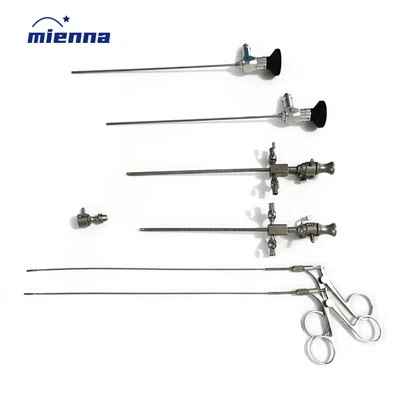
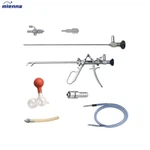
Cystoscopy Set

Hangzhou Mienna Business Services Co., Ltd.: Your Professional Cystoscopy Set Supplier!

Hangzhou Mienna Business Services Co., Ltd. is a large-scale enterprise specializing in the production and sales of medical products. More than ten years of production and sales have made us a leading comprehensive enterprise with strong R&D strength in the fields of medicine. Our main products include otolaryngology, orthopedics, urology, abdominal surgery, gynecology, disposable related equipment, sports and fitness equipment, etc.

Wide Range of Products

Our main products include orthopedics instruments, otolaryngology instruments, urology instruments, laparoscopy instruments and gynecology instruments. Our products are widely used in the field of medicine.


Leading Service

We have many years of industry experience and a complete production management, quality supervision and sales service operation system. If you want to buy medical products, just send your needs by email and we can respond to you as soon as possible.

Professional Team

As an enterprise that has been tempered for many years, we combine technology and technology to continuously innovate, so that each product is rigorously tested and quality checked.

Complete Qualifications

We have passed ISO quality system certification and CE certification of TUV Rheinland, FDA registration and as well as BSCI audit.


Brief Introduction to Cystoscopy Set


A cystoscopy set is a collection of medical equipment used to perform a cystoscopy. Cystoscopy is a medical procedure in which a long, thin tube (called a cystoscope) is inserted through the urethra into the bladder to view the inside of the bladder. This procedure can help doctors diagnose and solve problems related to the bladder, urethra, or other urinary system structures, such as painful urination, bladder infections, or pain in the pelvic area.


Features of Cystoscopy Set

Intuitiveness

Using optical or electronic imaging technology, the cystoscopy set can provide clear images of the bladder and urethra, allowing doctors to visually observe lesions such as tumors, stones, inflammation, etc., so as to make more accurate diagnoses.

Versatility

Modern cystoscopy sets can be used not only for diagnosis, but also for some therapeutic operations, such as biopsy sampling, stone removal, ureteral stent placement, etc., realizing the combination of diagnosis and treatment.

Safety

The cystoscopy set that has been strictly disinfected and sterilized can ensure a sterile environment during surgery and reduce the risk of infection. At the same time, doctors can precisely control the instrument during the operation to reduce damage to the patient’s surrounding tissues.


Components of Cystoscopy Set
 

Cystoscope

This is the core component of the cystoscopy set. It is a slender tubular instrument with an optical system (such as lens, optical fiber, etc.) and a lighting system. The cystoscope enters the bladder through the urethra, allowing the doctor to observe the structure and lesions inside the bladder.

Manipulator

The manipulator is connected to the cystoscope. The doctor uses the manipulator to control the movement and positioning of the cystoscope in the bladder to more accurately observe the lesion site.

Light Source and Camera System

Modern cystoscopy sets are often equipped with light sources and camera systems. The light source provides illumination for the cystoscope, while the camera system transmits images of the bladder to the display screen, allowing doctors to observe the lesions more clearly.

Sheath

The sheath is a protective coat that is put on the outside of the cystoscope to reduce damage to the urethra and bladder wall and help the cystoscope enter and exit the urethra smoothly.

Irrigation System

The irrigation system is used to inject sterile saline or other irrigation fluids into the bladder to flush blood, mucus or debris in the bladder and improve the clarity of the field of vision.

Biopsy Forceps

Biopsy forceps are small surgical instruments used to sample lesions for biopsy during cystoscopy.


Types of Cystoscopy Set
 
01/

Rigid Cystoscopy Set
Rigid cystoscopes are made of metal or rigid plastic and are not flexible. They have a fixed, straight shape with a larger diameter than flexible cystoscopes. It is commonly used for diagnostic purposes, such as examining the bladder and urethra for tumors, stones, or other abnormalities. They are also used for some therapeutic procedures, like biopsy sampling or bladder instillation.

02/

Flexible Cystoscopy Set
Flexible cystoscopes are made of flexible materials, allowing them to bend and navigate through tight spaces within the bladder and urethra. It is primarily used for diagnostic purposes in patients with a narrow urethra or prostate enlargement, as well as in children. Flexible cystoscopes can also be used for therapeutic procedures like tumor resection or stent placement.

03/

Pediatric Cystoscopy Set
It is specially designed for use in children, pediatric cystoscopy sets often include smaller-sized instruments to accommodate the smaller anatomy of pediatric patients.
It is used for diagnostic and therapeutic procedures in children, such as examining the bladder and urethra for congenital abnormalities, infections, or other issues.

04/

Video Cystoscopy Set
Video cystoscopes incorporate a camera and display system, allowing real-time visualization of the bladder and urethra on a monitor. It facilitates collaboration between surgeons, improves documentation and patient education, and allows for recording and playback of the procedure.

05/

Disposable Cystoscopy Set
Disposable cystoscopes are designed for single-use and are typically made of less durable materials. It reduces the risk of cross-contamination and infection by eliminating the need for reprocessing and sterilization.

06/

High-Definition (HD) Cystoscopy Set
Equipped with high-definition imaging technology, HD cystoscopy sets provide clearer and more detailed images of the bladder and urethra.


How To Choose Cystoscopy Set?
NP-2 Urology Pediatric Cystoscopy Instruments Set
NP-7 Urethro-cystoscopy Set (Lock Type) Compatible For Storz
NP-2 Urology Pediatric Cystoscopy Instruments Set

Patient Conditions
Children need to use a cystoscope designed for children, which is smaller in size to accommodate the urethra and bladder of children. In addition, patients of different genders may have differences in urethral structure and length, which also needs to be considered when choosing a cystoscope. According to the patient's specific condition and examination or treatment needs, choose the appropriate cystoscope type (such as rigid, flexible) and accessories. For example, for patients who need to undergo complex surgery, you may need to choose a cystoscope with more functions and higher precision.


Image Quality
High-definition imaging technology can provide clearer and more detailed images of the bladder and urethra, which helps doctors diagnose the condition more accurately. Therefore, when choosing a cystoscope, you should pay attention to its imaging quality.


Convenience Of Operation
The convenience of operation of the cystoscope directly affects the efficiency of the operation and the doctor's work experience. A cystoscope with a reasonable design and flexible operation should be selected to reduce the operation time and improve the success rate of the operation.


Durability
The durability of the cystoscope is directly related to its service life and maintenance cost. A cystoscope with excellent material and exquisite workmanship should be selected to ensure its long-term stable operation and reduce maintenance costs.


Safety And Hygiene
As a medical device that enters the patient's body, the cystoscope must undergo strict aseptic processing to prevent infection. When choosing a cystoscope, you should pay attention to its aseptic processing process and effect. For reusable cystoscopes, you should ensure that they have effective cross-infection protection measures, such as using disposable protective covers or performing thorough disinfection.


Economic Efficiency
When choosing a cystoscope, you should consider factors such as its price, performance, and service life to evaluate its cost-effectiveness. Choosing a cost-effective cystoscope can help reduce medical costs and improve the economic benefits of the hospital.


How To Maintain Cystoscopy Set?

Sterilization
If the cystoscope is intended for reuse on multiple patients, sterilization may be required. However, not all cystoscopes are heat-tolerant and can undergo traditional sterilization processes. For heat-sensitive cystoscopes, low-temperature sterilization methods such as the use of gas or vaporized hydrogen peroxide may be employed.


Regular Inspection and Maintenance
You should regularly inspect the cystoscope for signs of wear, tear, or damage, such as scratches, cracks, or leaks. Then, you can test the cystoscope’s functionality, including the lighting system, camera, and irrigation channels, to ensure they are working properly. If any issues are identified, have the cystoscope serviced or repaired by a qualified technician or return it to the manufacturer for service.

Cleaning

After use, the cystoscope should be thoroughly cleaned to remove any bodily fluids, debris, or contaminants. This initial cleaning can involve rinsing with water or a suitable cleaning solution.

Disinfection

Most cystoscopes require high-level disinfection to kill or remove microorganisms that may cause infection. This is typically done using chemical disinfectants or automated disinfection systems.

Storage

You can store the cystoscope in a clean, dry, and well-ventilated area to prevent the growth of microorganisms.


Function of Cystoscopy Set
NP-7 Urethro-cystoscopy Set (Lock Type) Compatible For Storz

Visual Inspection
By inserting a cystoscope into the patient’s bladder, the doctor can visually observe the internal conditions of the bladder, including the bladder wall, bladder neck, ureteral opening, etc., so as to find lesions such as bladder stones, tumors, inflammation, diverticula, foreign bodies, etc.


Sampling Biopsy
With the assistance of a cystoscope, the doctor can take a sample biopsy of the suspected lesion to clarify the nature of the lesion and provide a basis for subsequent treatment.


Lithotripsy
For patients with bladder stones, cystoscopes can be used for lithotripsy treatment, and the stones are crushed and discharged from the body by means of laser, ultrasound, etc.


Resection Surgery
Under the guidance of a cystoscope, doctors can use specific surgical instruments to perform resection surgery for lesions such as bladder tumors and polyps to achieve minimally invasive treatment.

Placement Of Drainage Tubes
When necessary, cystoscopes can also be used to place drainage tubes to drain urine or treat other related diseases.


Urethral Dilation
For patients with urethral stenosis, cystoscopes can be used for urethral dilation treatment to improve urination function.


Bladder Irrigation
The cystoscope is equipped with an irrigation channel that can be used to flush the bladder to remove contaminants such as blood and pus in the bladder.

NP-2 Urology Pediatric Cystoscopy Instruments Set


Frequently Asked Questions


Q: What is a cystoscopy set?

A: Cystoscopy set is a medical device that is mainly used for diagnosis and treatment in the field of urology. It usually includes components such as a cystoscope, a light source system, an image display system, a flushing system, and related surgical instruments. The cystoscope is the core component, which is inserted into the bladder through the urethra, allowing the doctor to directly observe the internal conditions of the bladder and urethra.

Q: What are the main functions of a cystoscopy set?

A: Visualization examination: You can directly observe the internal conditions of the bladder and urethra through the cystoscopy set, and find lesions such as stones, tumors, inflammation, diverticula, and foreign bodies. You can also take samples and biopsies of suspicious lesions to clarify the nature of the lesions.
Lithotripsy: You can crush bladder stones and expel them from the body through lasers, ultrasound, etc.
Resection surgery: Resection surgery of lesions such as bladder tumors and polyps is performed under the guidance of a cystoscope.
Placement of drainage tubes: You can place drainage tubes as needed to drain urine or treat other diseases.
Bladder flushing: The cystoscopy set can be used to remove contaminants such as blood and pus from the bladder.

Q: How to use and maintain the cystoscopy set correctly?

A: Preoperative preparation: Ensure that the patient has received appropriate anesthesia and preparation, and understands the risks of surgery.
Aseptic operation: Strictly adhere to the principles of aseptic operation and use sterilized cystoscopes and surgical instruments.
Operation skills: Doctors need to have skilled operation skills to reduce patient discomfort and the risk of complications.
Cleaning and disinfection: The cystoscope and surgical instruments should be thoroughly cleaned and disinfected after each use.
Regular inspection: Regularly check the wear of the cystoscope lens and instruments, and replace damaged parts in time.
Storage conditions: Store the cystoscope in a dry, ventilated, dust-free environment, avoid direct sunlight and high temperature and humidity.

Q: What are the precautions for cystoscopy set?

A: Patient selection: Not all patients are suitable for cystoscopy, and doctors should evaluate and select according to the specific conditions of the patients.
Complication prevention: Pay attention to prevent the occurrence of complications such as urethral injury and infection, and closely observe the patient's condition changes after surgery.
Equipment safety: Ensure that the safety performance of the cystoscopy device meets the relevant standards and regulations, and avoid using expired or damaged equipment.

Q: What is the development trend of cystoscopy set?

A: With the continuous advancement of medical technology and the increase in patient demand, the development trend of cystoscopy set is mainly reflected in the following aspects:
High-definition imaging technology: Using a higher-resolution imaging system to provide clearer and more detailed images of the bladder and urethra.
Intelligent operation: Introducing artificial intelligence and robotics technology to achieve more accurate and safer surgical operations.
Portable design: Developing lighter and easier-to-carry cystoscopy devices to facilitate use in primary medical institutions and emergency situations.
Multifunctional integration: Integrating multiple diagnostic and treatment functions into one set of equipment to improve diagnosis and treatment efficiency and patient satisfaction.

Q: Is the cystoscopy set durable?

A: It depends on several factors. A high-quality cystoscopy set will adopt a scientific and reasonable design to ensure that the various parts fit tightly and operate smoothly, thereby reducing damage caused by improper design. Key components such as cystoscopes are usually made of corrosion-resistant and wear-resistant materials such as stainless steel and alloys to improve the durability of the product. High-precision manufacturing processes can ensure that the dimensions of each component of the product are precise and the surface is smooth, reducing damage caused by friction and wear. Regular cleaning, disinfection and inspection of the product, and timely replacement of worn parts can keep the product in good condition and extend its service life.

Q: What are the advantages and disadvantages of cystoscopy set?

A: Advantages: Modern cystoscopy devices not only have diagnostic functions, but also integrate multiple treatment functions, such as lithotripsy, resection surgery, etc., realizing integrated diagnosis and treatment. In addition, with the advancement of medical technology, the safety performance of cystoscopy devices has been continuously improved. Doctors can control the instrument more accurately during the operation, reducing the risk of complications.
Disadvantages: Although cystoscopy is minimally invasive, patients may still feel some discomfort or pain during the examination, especially when the cystoscope passes through the urethra.

Q: How to extend the service life of cystoscopy set?

A: Regular maintenance: Users should regularly clean, disinfect, and calibrate the device according to the manufacturer’s instructions to ensure the performance and accuracy of the device.
Storage conditions: You should store the device in a dry, ventilated, dust-free environment, away from direct sunlight and high temperature and humidity to reduce the impact of environmental factors on the device.
Timely maintenance: Once the device is found to be faulty or the performance is degraded, the manufacturer or professional maintenance organization should be contacted in time for repair and replacement of damaged parts.

Q: What material is the cystoscopy set made of?

A: Stainless steel: The main parts of the cystoscope, such as the mirror rod and the endoscope, are often made of stainless steel materials, such as 1Cr18Ni9Ti and other stainless steels. These materials have good corrosion resistance and biocompatibility and are suitable for use in medical environments.
Optical glass or lens: The optical parts of the cystoscope, such as the objective lens, intermediate lens, eyepiece, etc., are usually made of optical glass or lenses. These materials have excellent optical properties and can ensure the clarity and accuracy of the image.
Metal and plastic composite materials: Parts such as the mirror sheath and the cannula may be made of a composite material of metal and plastic to ensure sufficient strength and flexibility. The metal part provides the necessary support and protection, while the plastic part increases flexibility and patient comfort.
Plastics such as ABS: Parts such as the eyepiece cover that come into contact with the human body and need to be insulated are often made of insulating materials such as ABS. These materials have good insulating properties and can protect patients from potential hazards such as electric current.
Rubber and silicone: Some accessories, such as flushers and obturators, may be made of elastic materials such as rubber or silicone to increase sealing and patient comfort.
Metal and insulating materials: Cystoscopy devices may contain components such as wires and cables, which are used to connect light source systems, image display systems, etc. These components are usually made of composite materials of metal and insulating materials to ensure the transmission and safety of electrical signals.

Q: How to use cystoscopy set?

A: Equipment preparation: Make sure the cystoscopy device is intact, all parts are tightly connected, and the light source and image display system are working properly.
Disinfection and lubrication: The doctor will strictly disinfect the patient's urethra and cystoscopy device, and apply lubricant to the sheath to reduce friction and discomfort.
Inserting the cystoscope: The doctor gently inserts the cystoscope into the patient's urethra and slowly advances it into the bladder. During the insertion process, the doctor will adjust the angle and direction of the mirror as needed to better observe the internal conditions of the urethra and bladder.
Observation and diagnosis: Once the cystoscope enters the bladder, the doctor will observe the situation inside the bladder through the camera on the mirror, including the color, shape, and presence of lesions of the bladder wall. The doctor will also use flushing fluid to flush the bladder to more clearly observe the lesions or foreign bodies in the bladder.
Sampling and treatment: As needed, the doctor may use tools such as biopsy forceps to remove tissue samples from the bladder for pathological analysis, or use tools such as lithotripsy to treat lesions such as stones or tumors in the bladder.
Removing the cystoscope: After the examination, the doctor will slowly remove the cystoscope from the patient's urethra.

Q: Why cystoscopy set is important?

A: Direct observation: Cystoscopy allows doctors to insert a thin tube with a camera into the bladder through the urethra and directly observe the internal conditions of the bladder and urethra. This intuitive observation method helps doctors accurately judge the health of the bladder and urethra and detect potential lesions or abnormalities.
Accurate diagnosis: Through cystoscopy, doctors can observe the location, shape and size of lesions on the bladder wall, so as to more accurately diagnose diseases such as bladder cancer, stones, inflammation, etc. This is of great significance for formulating treatment plans and evaluating prognosis.
Treatment function: In addition to the diagnostic function, modern cystoscopy devices also have a variety of treatment functions. For example, for stones in the bladder, lithotripters can be used to crush the stones and then flush them out; for small foreign bodies and lesions in the bladder, foreign body forceps or biopsy forceps can be used to remove them; for bladder bleeding spots or papilloma, electrocautery can be used for treatment.
Sampling examination: During cystoscopy, tissue samples can also be collected for pathological analysis, which helps to further clarify the diagnosis and formulate personalized treatment plans. This is particularly important for the diagnosis and treatment of diseases such as bladder cancer.
Improve surgical safety and success rate: For patients who need bladder or urethral surgery, cystoscopy plays an important preparatory role before surgery. It can help doctors understand the patient's anatomical structure, lesion range and special conditions, thereby guiding the operation and improving the safety and success rate of the operation. Cystoscopy can also be used to monitor postoperative recovery and promptly detect and treat postoperative complications such as urethral stenosis and bladder spasm.
As one of the leading cystoscopy set suppliers in China, we warmly welcome you to wholesale high-grade cystoscopy set for sale here from our factory. All medical devices and equipment are with high quality and competitive price. cystoscopy set

whatsapp

skype

E-mail

Inquiry